All posts by caino

Postpartum contractions

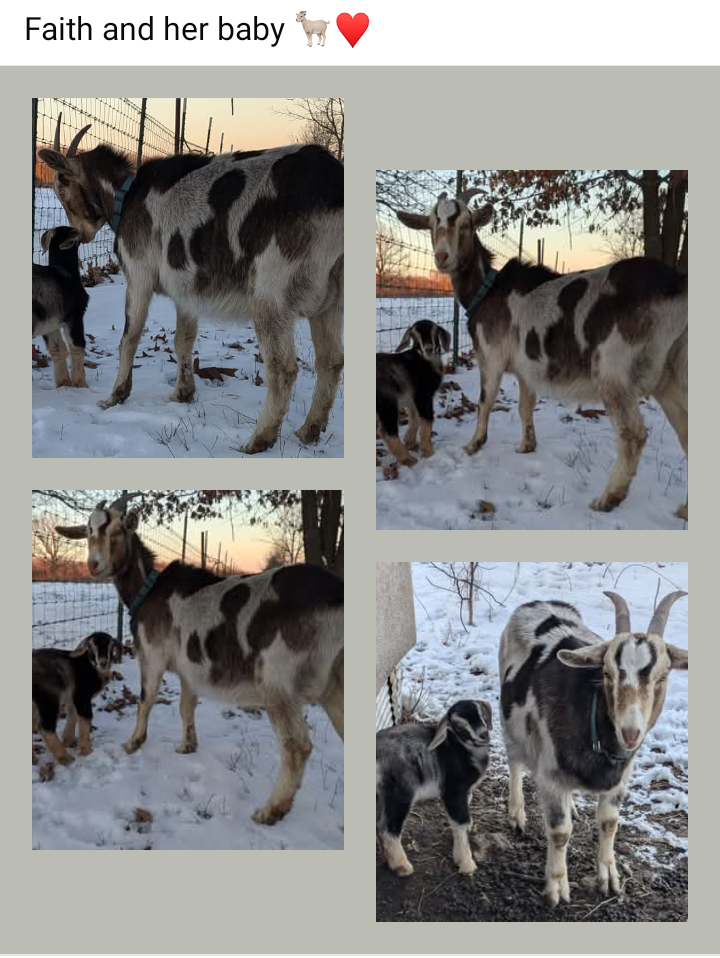
Sheep (ewes) and goats (does) experience postpartum contractions, which are a critical part of the third stage of labor. These contractions serve to expel the placenta (afterbirth) and begin the process of uterine involution—the shrinking of the uterus back to its non-pregnant size.

Here are key details about postpartum contractions in sheep and goats:

Purpose: Postpartum contractions help expel the fetal membranes (placenta) and reduce the size of the uterus.

Timing: The placenta is typically delivered within 1 to 3 hours after the lamb or kid is born. If the placenta is not passed within 4 to 6 hours in goats, it is considered a retained placenta.

Intensity: While not usually as intense as the contractions during active labor (Stage 2), these contractions can still cause visible straining.

Involution: The uterus shrinks rapidly, with the process of returning to its normal size being largely completed by about 28 to 30 days after birth.

Postpartum Mating: In studies of ewes, uterine contractions continue in the weeks following birth, although their direction changes as the uterus heals, which can affect fertility if they are bred too soon (e.g., around day 32).

In some cases, if a ewe or doe is struggling to pass the placenta, veterinarians might recommend medication to stimulate these contractions

F1’s, F1b & F1c

So i need to rewrite that. I just learned ive been doing it wrong.

My F2’s are actually F1b’s and my F3’s are F1c’s, according to my Google search

The letters F1, F2, and F3 stand for Filial 1, Filial 2, and Filial 3, representing the generation of offspring from a crossbreed or hybrid, such as designer dogs or Savannah cats. “Filial” comes from Latin for daughter/son, indicating the generation removed from the original parent breeds.

F1 (First Filial): The first-generation offspring of two purebred or distinct parent breeds (e.g., Poodle + Cocker Spaniel).

F2 (Second Filial): The offspring resulting from breeding two F1 parents together.

F3 (Third Filial): The offspring resulting from breeding two F2 parents together.

Other Terms & Designations:
Filial Generation: The overall term, often shortened to “F”.

Multigenerational: Typically used for F3 and beyond, indicating the hybrid is further removed from the initial cross.

Backcross (F1b, F2b): When an F1 or F2 is bred back to one of the original parent breeds (e.g., F1b = F1 parent + purebred parent).

A, B, C (Savannah Cats): Specific designations showing generations of Savannah-to-Savannah breeding (e.g., A = one parent is a non-Savannah

Food

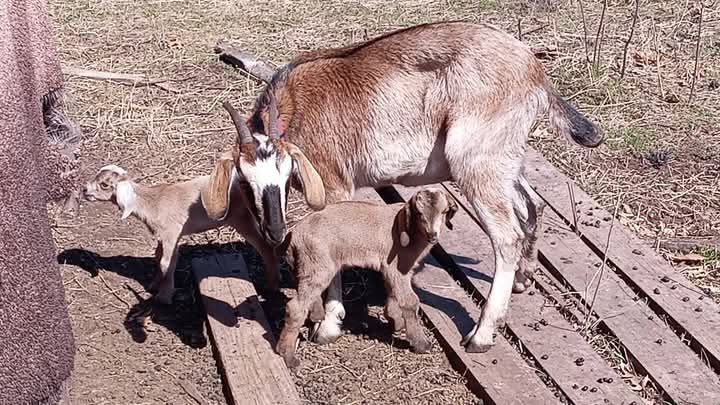
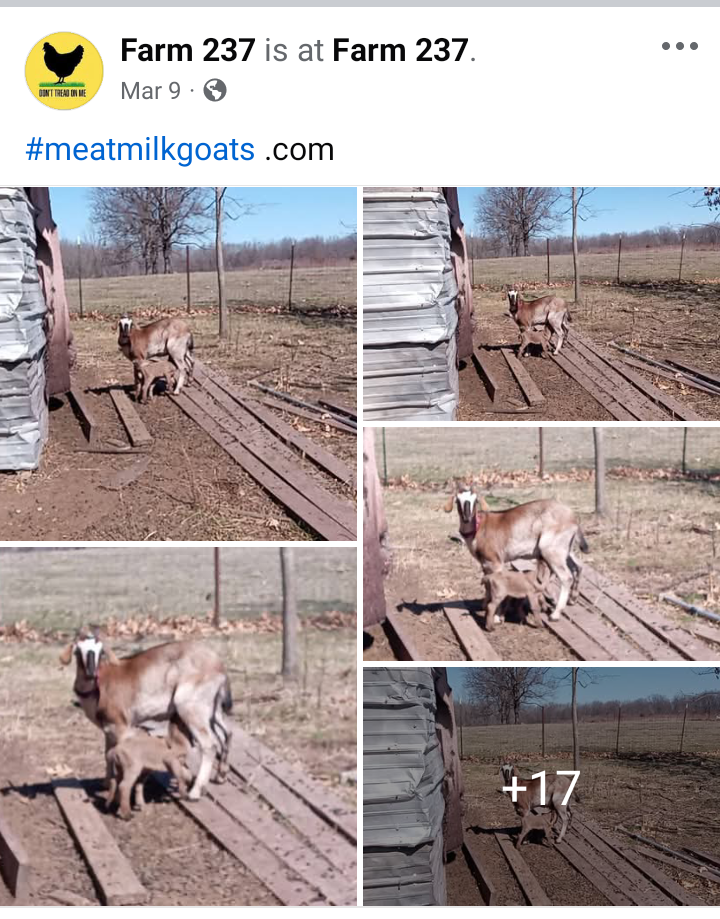
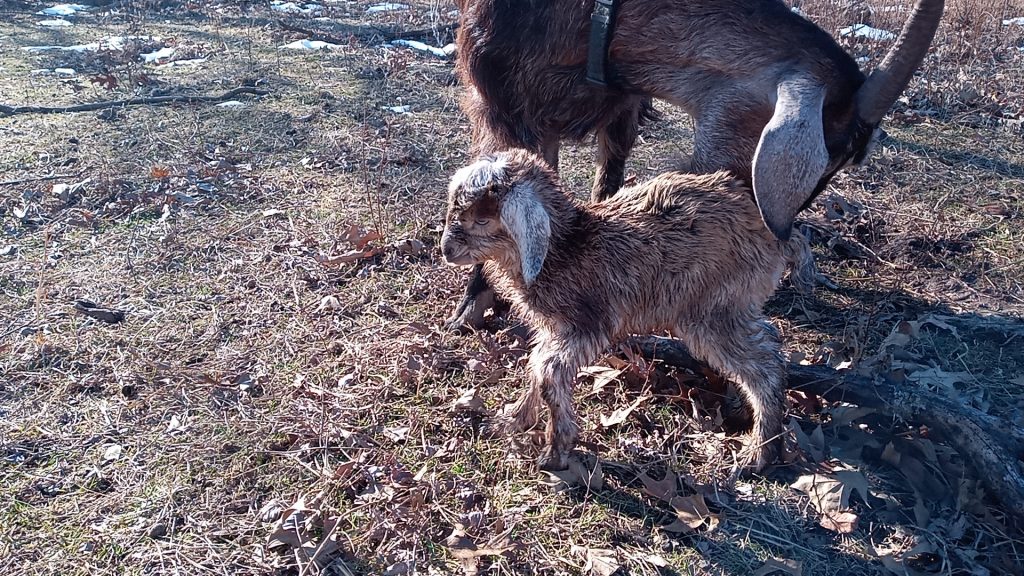
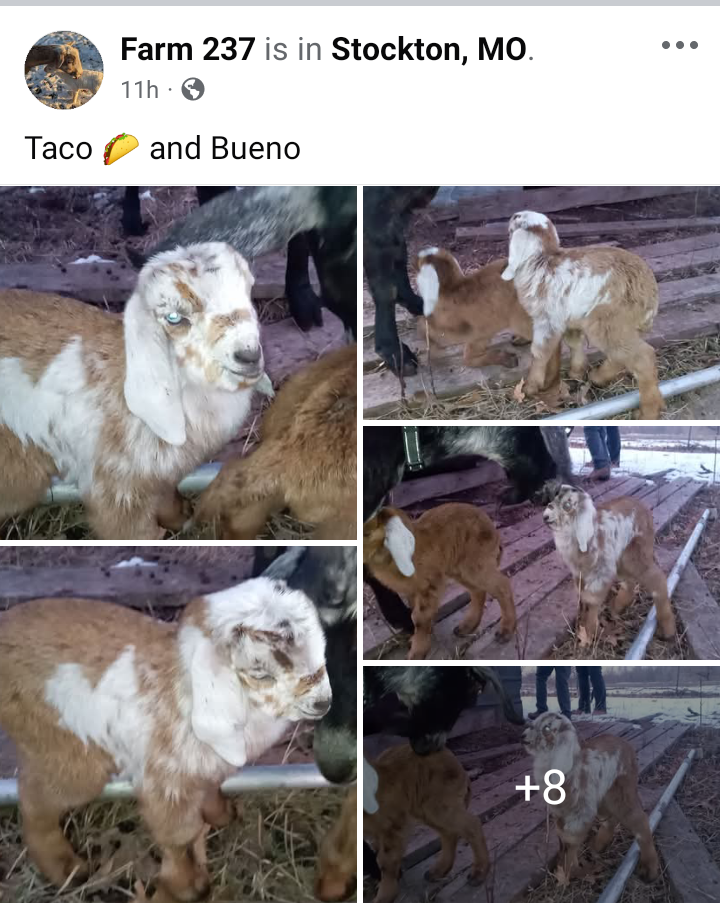
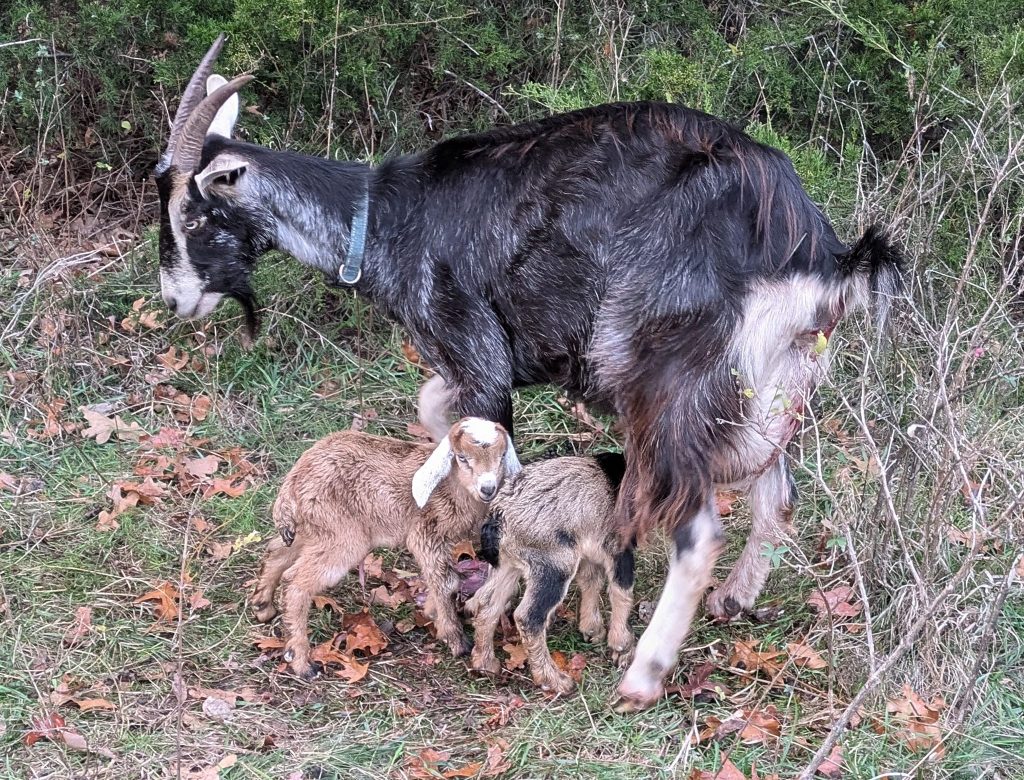
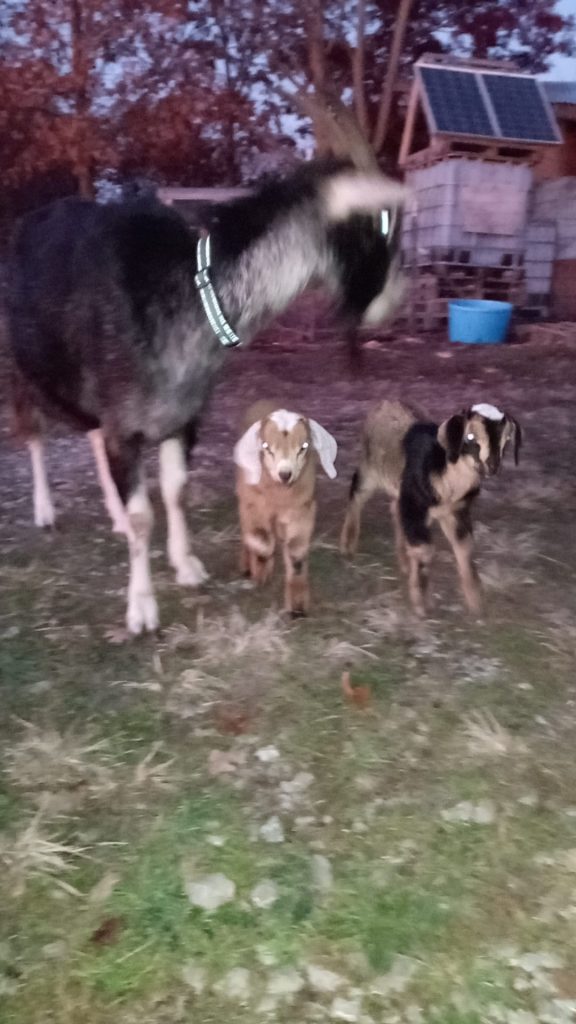
2nd meat goat born this year. We lost most all our baby Goats and lambs last year to our new neighbors dogs. We saved Pete’s life, by moving him and his mother to my rental property in Caplinger; we put them with my renters animals.

Now we have another property in Collins, we can move the mother’s and their young there. We don’t have enough fencing to move them all yet, full time; but at least we can keep the neighbors dogs in Stockton from killing anymore of our livestock.

We moved all our birds, what was left of them that is; and we are temporary moving sheep and goat mother’s and the babies… till the babies are weaned and big enough to move back to Stockton. Once they are weaned, we will move the mom’s back. Once the babies are big enough to protect against predators, we will move them back as well.

Maybe someday, if I dont sell the Stockton property; ill get emus and donkeys for livestock guardians. They will kill dogs and coyotes.

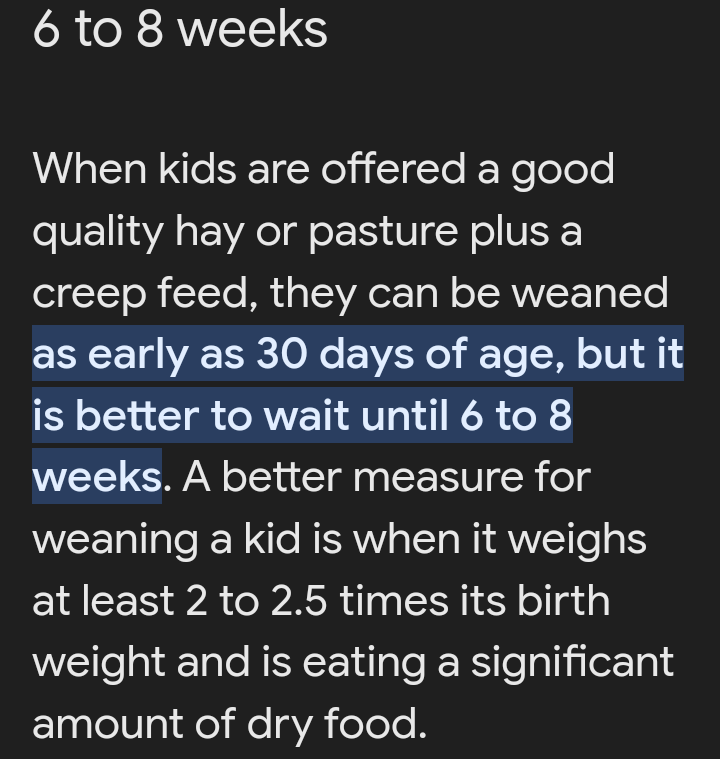
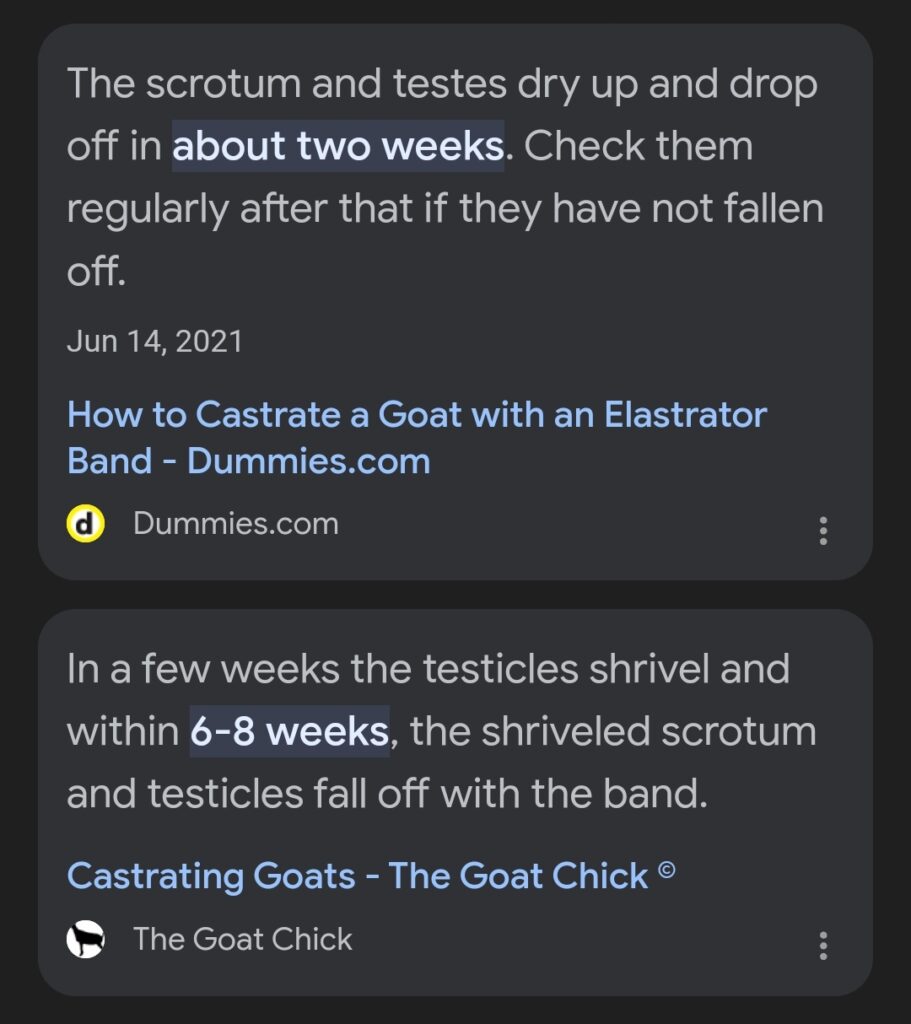
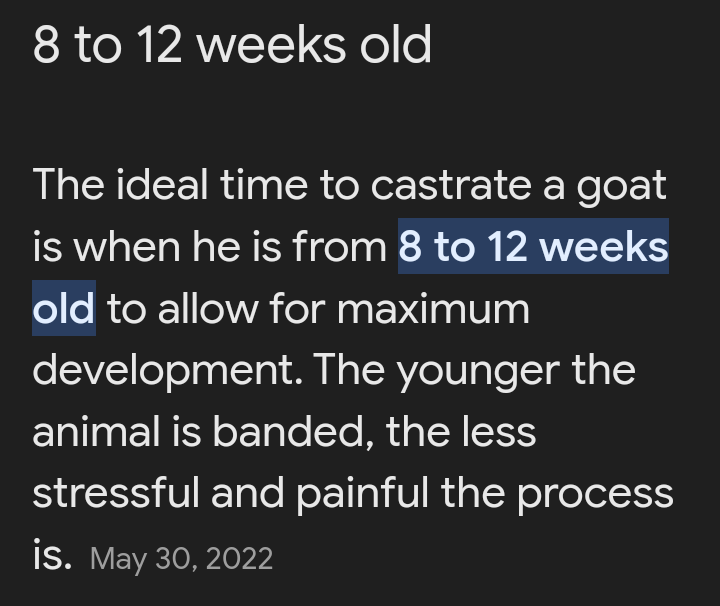
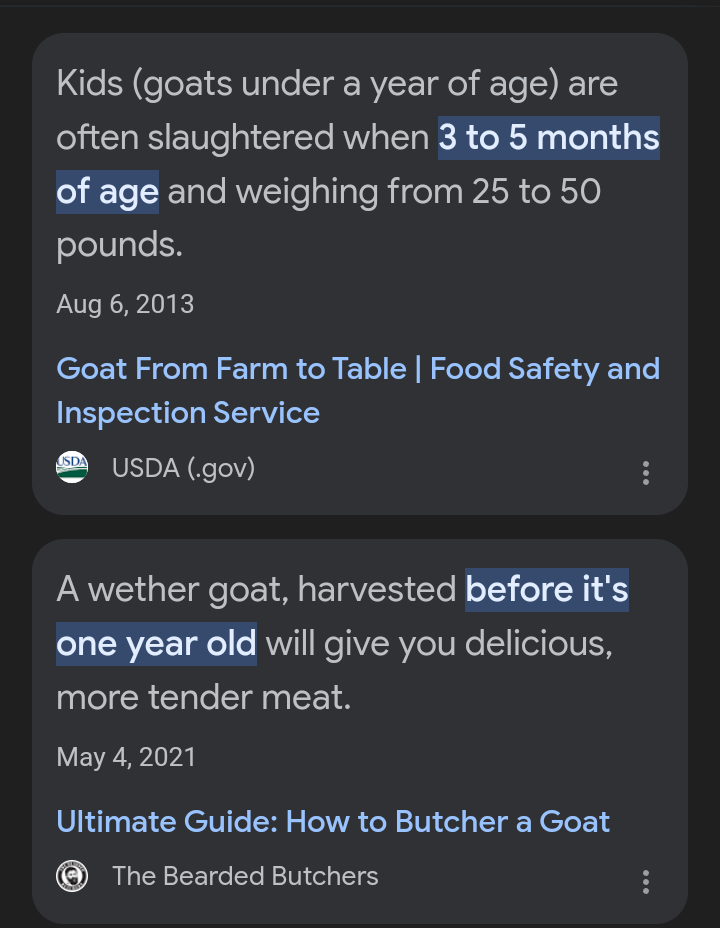
I will be wethering them between 4 and 5 month old. So if you want a Buck or Ram, let me know beforehand. I’ll be weaning and castrating about the same time.

$350/ea. for Intact males. $225/ea. for wethers

417.307.8588

Baby Buck 🍖

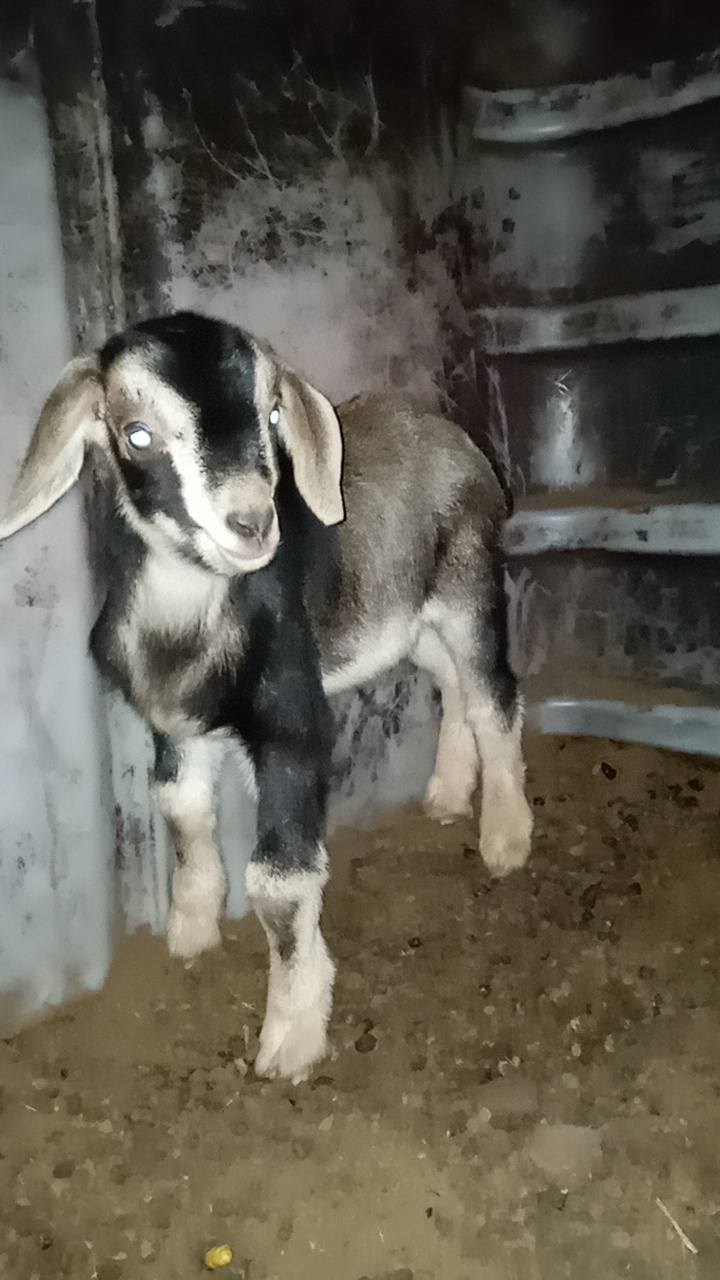
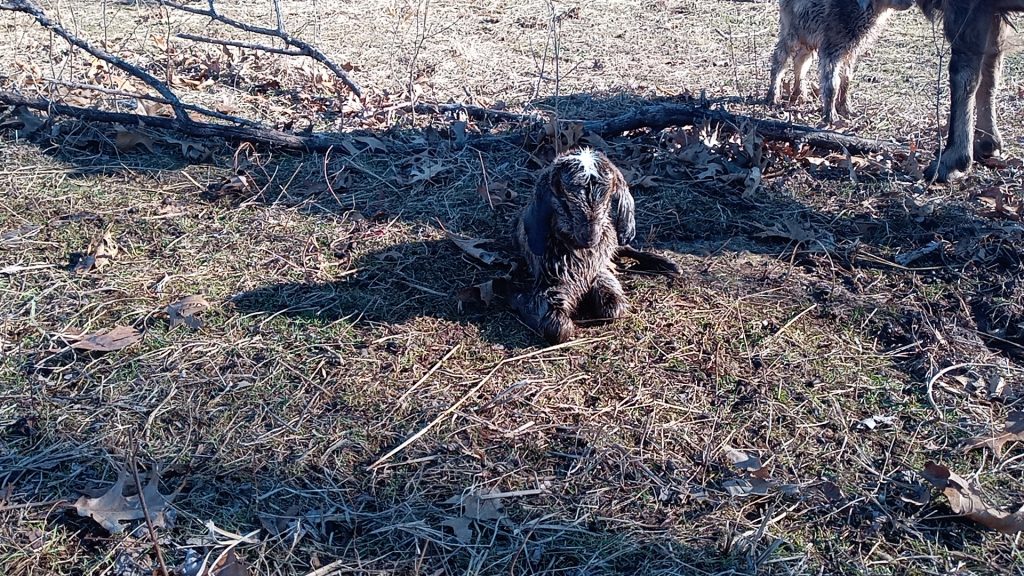
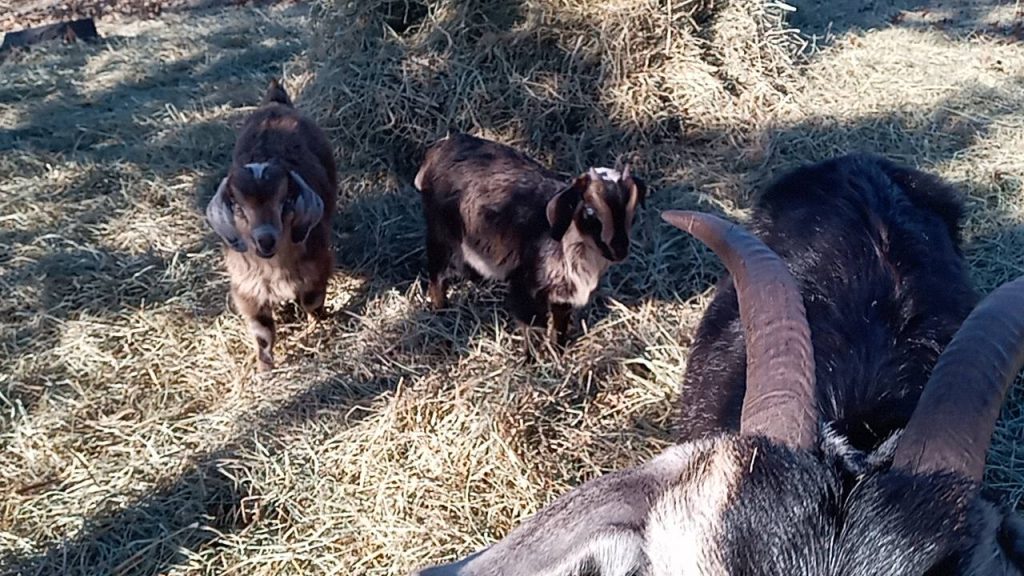
1st meat goat born this year. We lost most all our baby Goats and lambs last year to our new neighbors dogs. We saved Pete’s life, by moving him and his mother to my rental property in Caplinger; we put them with my renters animals.

Now we have another property in Collins, we can move the mother’s and their young there. We don’t have enough fencing to move them all yet, full time; but at least we can keep the neighbors dogs in Stockton from killing anymore of our livestock.

We moved all our birds, what was left of them that is; and we are temporary moving sheep and goat mother’s and the babies… till the babies are weaned and big enough to move back to Stockton. Once they are weaned, we will move the mom’s back. Once the babies are big enough to protect against predators, we will move them back as well.

Maybe someday, if I dont sell the Stockton property; ill get emus and donkeys for livestock guardians. They will kill dogs and coyotes.

I will be wethering them between 4 and 5 month old. So if you want a Buck or Ram, let me know beforehand. I’ll be weaning and castrating about the same time.

$350/ea. for Intact males. $225/ea. for wethers

417.307.8588

Lamb Rams 🍖

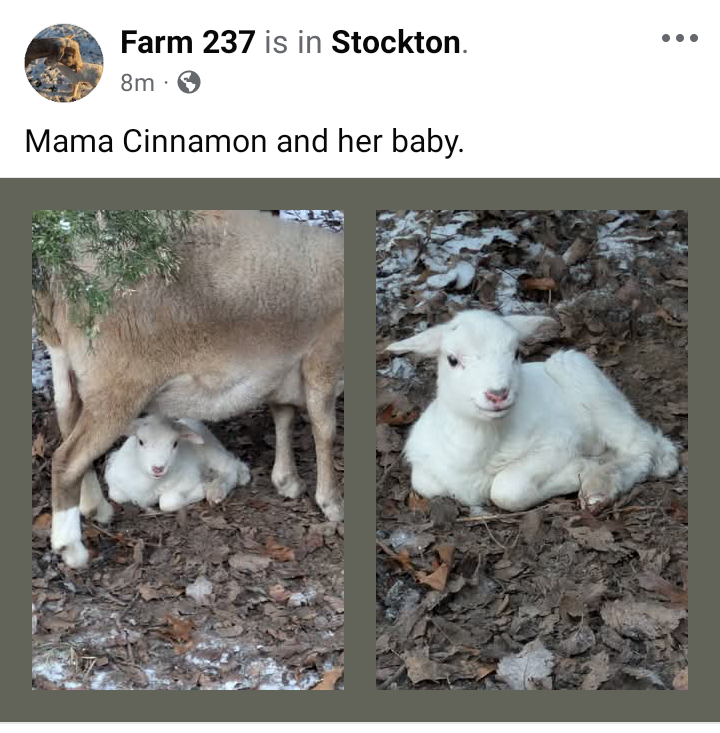
1st meat sheep born this year. We lost most all our baby Goats and lambs last year to our new neighbors dogs. We saved Pete’s life, by moving him and his mother to my rental property in Caplinger; we put them with my renters animals.

Now we have another property in Collins, we can move the mother’s and their young there. We don’t have enough fencing to move them all yet, full time; but at least we can keep the neighbors dogs in Stockton from killing anymore of our livestock.

We moved all our birds, what was left of them that is; and we are temporary moving sheep and goat mother’s and the babies… till the babies are weaned and big enough to move back to Stockton. Once they are weaned, we will move the mom’s back. Once the babies are big enough to protect against predators, we will move them back as well.

Maybe someday, if I dont sell the Stockton property; ill get emus and donkeys for livestock guardians. They will kill dogs and coyotes.

I will be wethering them between 4 and 5 month old. So if you want a Buck or Ram, let me know beforehand. I’ll be weaning and castrating about the same time.

$350/ea. for Intact males. $225/ea. for wethers

it says Goats in the screenshot, but sheep and goats generally fall under the same rules. With a few exceptions; like feed, and health problems. Sheep can’t have very much copper, where Goats need it. Sheep are more prone to death, and are less parasite resistant.

417.307.8588

Behavior Predators Look For

Criminals look for low situational awareness (distracted, on phones, headphones) and isolation (alone in quiet areas) because these behaviors signal an easy, low-resistance target, allowing them to approach, act, and escape without witnesses or struggle, making victims appear unaware, hesitant, or non-combative. They seek vulnerability, not a challenge, often observing predictable patterns or signs of fear or submissiveness.

Behaviors Criminals Look For:
Distraction & Lack of Awareness: People engrossed in phones, wearing headphones, or generally “zoned out” are prime targets because they don’t see threats coming.

Isolation: Being alone in dark, quiet, or low-traffic areas removes witnesses and opportunities for the victim to fight back or flee.

Predictable Patterns: Routines like taking the same route home at the same time make it easy for criminals to plan an ambush.

Fear & Submissiveness: Showing fear, hesitating, or appearing non-combative (like slow walking, awkward movements, or a submissive posture) signals to a predator that the person won’t resist effectively.

Display of Valuables: Flashy accessories or using ATMs can attract attention from opportunistic criminals.

In essence, criminals target those who signal they are easy to overpower, rather than those who project confidence and awareness, says Cade Defense Academy and the NRA Blog.

Minimum Sheep & Goats You Need


The minimum amount of females per male for sheep and goats depends primarily on the male’s age and the management system used, but a common guideline for natural, non-synchronized breeding is at least 15-20 females per male.

Sheep (Ewes per Ram)

The ratio for sheep varies based on several factors:

Ram Lambs (less than 1 year old): A ram lamb should be limited to approximately 15-30 ewes.

Mature Rams: A healthy, mature ram can typically service 35-50 ewes during a normal breeding season under range conditions, with some experienced rams covering up to 70-100 ewes in small pastures.

Goats (Does per Buck)

Similar to sheep, the ratio for goats depends on the buck’s age and condition:

Young Bucks (around 1 year old): A young buck should service no more than 10-15 does per month.

Mature Bucks: A healthy, full-grown buck can typically service 30-50 does, but a general recommendation for standard farm conditions is around 20-30 does per buck.

Key Considerations

Synchronized Breeding: If breeding is synchronized (where all females come into heat at the same time), more males are needed to ensure all females are covered. Ratios for synchronized breeding can be as low as 1 male per 5-10 females.

Terrain/Pasture Size: In large, rough pastures, more males per female may be needed compared to small pens where movement is restricted.
Male Health: Only healthy, fit males should be used for breeding. Overly fat or thin males may have reduced fertility or stamina.

Inbreeding: To avoid inbreeding, it is important to rotate or replace males every one to two years.

Backup Males: Keeping at least one backup male (or a “teaser” male in a separate pen) can help stimulate the females’ heat cycles and provides insurance if the primary breeder becomes sick or infertile.

RSMo 273.030

Will Emus Make Good Livestock Guardian?

Looks like we are getting Emus. Im tired of the neighbors dogs coming onto my property and killer my lambs and fowl. Laura loves her dogs, so i just got a llama and will soon have Emus on my property with my sheep and goats. She has dogs protection on our Collins property, i will have other livestock guardians on my Stockton properties. I wanted Guinea Fowl for tick control, but the neighbors dogs keep killing them, my turkeys and my lambs. So enough is enough. They don’t want to control their dogs, so i have to.

I can just shoot them, but im not home enough to catch them every time. But so you know; you do have the right to shoot predators of most any kind that are coming onto your land and attacking you, your family and/or your livestock in the state of Missouri as of 2025

https://revisor.mo.gov/main/OneSection.aspx?section=273.030

Meanwhile, I’ll be getting another Llama and raising Emus next. Then I’ll try Turkeys and Guinea fowl again after. Unfortunately, Llamas and Donkeys may not get along; so Donkeys are out, for now. Maybe if I get a young Donkey, and raise it up with the Llamas; it might be ok… or maybe miniature Donkeys 🤔

Can Donkeys & Llamas get along?

Laura has more gruesome pictures and videos of the attack, and she plans to press charges. She caught the dogs Red Handed this time. This has been going on all year, since they moved in; April 2025. Laura lost a few dozen Guinea over the summer, and she is not happy about it. We just got the property in Collins, so the birds will be safe there, now that she finally got her new coop done there. What’s left of them that is.

Last time I had this problem, was when Austin lived next door. I thought the killings were over when he sold to Dakota, so i got new birds. Then Dakotas friend moved in, and the killing began all over again.

Will Emus Make Good Livestock Guardian?

Yes, adult emus can and will kill dogs and coyotes, using their powerful, sharp-clawed feet to kick and stomp attackers, often acting as effective, aggressive livestock guardians for sheep and chickens, though they can also pose a danger to smaller pets if not properly introduced and managed. These large, territorial birds are formidable defenders against predators that enter their space, capable of inflicting serious harm or death with their strong legs.

How Emus Protect Livestock:

Aggressive Defense: When a threat like a coyote or dog appears, emus will charge, kick, and repeatedly strike the intruder with their feet, which have large, sharp claws.

Territorial Nature: Emus are naturally territorial and will actively drive away animals they perceive as threats, making them good guards for smaller livestock like sheep and poultry.

Proven Success: Farmers report emus killing coyotes and other predators, with some even finding dead predators flattened in their fields.

Important Considerations:

Danger to Other Pets: While great guards, emus can also attack and kill smaller animals, including neighbor’s dogs or even their own chickens if not raised with them from a young age, notes this Facebook post and another Facebook post.

Slow Introduction: New animals should be introduced slowly and cautiously to an established emu flock to prevent them from being seen as prey or intruders.

Fencing: Secure, tall fencing (around 5 feet) is needed to contain emus and keep other animals out, says this Facebook post.

In summary, an emu can effectively kill a coyote or dog, but they require careful management to ensure they protect your flock without harming your own pets.

Can Donkeys & Llamas get along?

Donkeys and llamas can coexist, and many people successfully keep them together, but it requires careful introduction, supervision, and awareness of risks, as a donkey’s kick or bite can seriously injure a llama, and territorial issues or different communication styles (donkeys’ pinned ears vs. llamas’ lack of understanding) can lead to conflict, especially around feeding time. They often get along if introduced slowly and monitored, with some donkeys even bonding closely, but it depends heavily on the individual animals’ personalities and past experiences.

Reasons They Can Get Along
Guard Behavior: Llamas can serve as guards for other livestock, including donkeys, while donkeys can also protect herds, though they might be too aggressive for llamas sometimes.

Companionship: Both species can benefit from companionship and may form strong bonds, sometimes even fostering “parenting” instincts, according to some Facebook users.

Shared Pasture: Many owners successfully keep them together in pastures, especially if they’re not aggressive.

Potential Risks & Why to Be Cautious

Aggression: Donkeys can be territorial and may aggressively kick or bite, which is extremely dangerous for a llama.

Communication Barriers: Llamas don’t always read equine body language (like pinned ears or a swishing tail) as warnings, leading to misunderstandings.

Feeding Time: Excitement or resource guarding during feeding can escalate conflict, requiring separate feeding.

Individual Personalities: A donkey with a history of abuse might react poorly to other animals in its space.

Best Practices

Slow Introduction: Start with separate pastures and allow them to see each other over a fence first, suggests this Facebook post.

Supervision: Monitor them closely, especially initially and at feeding times.

Separate Feeding: Feed them in separate areas to prevent fights.

Consider a Pair: Both species prefer companions of their own kind, so having a pair of llamas or donkeys might be better than one of each, notes Hobby Farms magazine.


Individual Assessment: Always assess individual animals; some pairings just won’t work.